What do you tell teens about Trump’s Executive Order moving marijuana from Schedule I to Schedule III? Please share this article with this for a plain-language explanation!
Hi, my name is Laura Stack. I’m a mom who started Johnny’s Ambassadors, a nonprofit that warns teens and parents about the dangers of today’s super-strong marijuana and THC products. Thank you for reading my article.
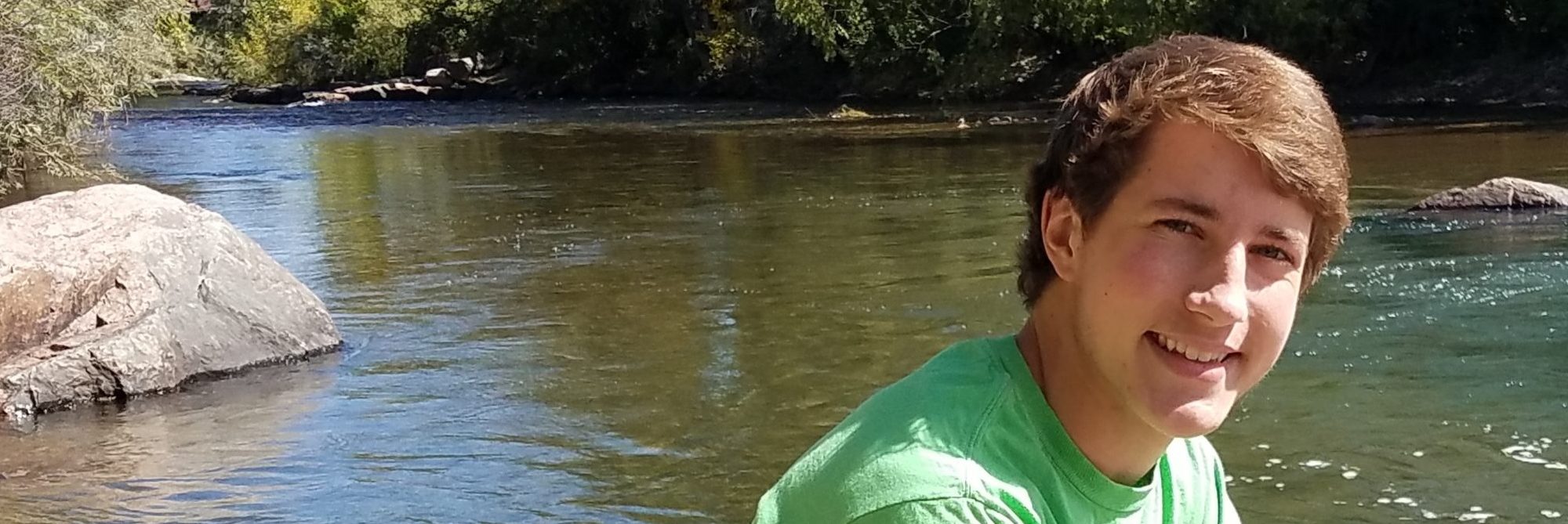
I started this group because my son Johnny died by suicide when he was 19. He began using weed at 14, right after it became legal in Colorado. By 18, he got a “medical” card—even though he wasn’t sick—and the guy at the dispensary sold him strong THC vapes and wax. Those products made him lose touch with reality. He became paranoid and suspicious and thought the mob was after him and jumped off a building. I miss him every day.
Now I spend my time talking to teens in school assemblies about how dangerous high-potency weed is for growing brains. I also run a support group for thousands of other parents whose kids have gone through scary mental health problems—like psychosis, schizophrenia, depression, anxiety, or suicidal thoughts—because of marijuana.
I’m writing this to talk to you about an Executive Order recently signed by President Trump that can be confusing (for everyone). The order “reschedules” marijuana from Schedule I (which is a dangerous drug with no medical use) to Schedule III (a drug that has some medical use, like certain hormones or certain pain medications). I’m worried teens will think, “Oh, it must be safer now” or even “It’s basically legal.” But it’s not either of those things. This change doesn’t make recreational weed legal nationwide or suddenly mean it’s safer. Let me explain.
The most important thing for teens (and everyone) to understand is there’s no FDA-approved raw marijuana flower—you know, the actual bud or plant material you get from dispensaries to smoke, vape, or eat in edibles.
The Federal Drug Administration is a government agency that tests medicines super carefully to make sure they’re safe, work like they’re supposed to, and are made the same way every time. For something to be “FDA-approved,” it must go through years of strict clinical trials with thousands of people, proving it helps a specific health problem without too many risks.
Here’s the deal with raw weed (the plant itself):
- It’s never been through that full FDA approval process.
- The FDA has said repeatedly that raw marijuana flower is not approved as a medicine for any condition.
- Even as of right now (January 2026), with the new push to move marijuana to Schedule III, that doesn’t change anything about FDA approval. Schedule changes are about how controlled it is federally, not whether the FDA says it’s a safe and effective medicine.
What has been FDA-approved are a few specific, purified cannabis-based drugs made in labs from TWO cannabinoids, THC and CBD:
- Epidiolex: A pure CBD medicine (from the plant but super purified) for certain rare seizures in kids.
- Marinol and Syndros: Synthetic (lab-made) THC for nausea from chemo or appetite loss in AIDS patients.
- Cesamet: Another synthetic THC for chemo nausea.
These come in exact doses, like pills or liquids from an actual pharmacy, and doctors prescribe them. They’re tested, consistent, and monitored. But the raw flower from dispensaries? Nope. There are 100+ other cannabinoids besides THC and CBD in flower that aren’t approved. We have no idea what is in there and what they do. Actual medicines are never smoked, vaped, or dabbed.
That’s why I keep saying: the stuff sold as “medical marijuana” in states isn’t real medicine by federal standards. It’s not tested or approved like actual prescription drugs. If a teen has a serious issue like bad nausea from cancer treatment, their doctor might suggest one of those FDA-approved options as a last resort (and even those have warnings about mental health side effects).
For healthy teens? There’s zero evidence that raw high-potency THC is safe or helpful—and tons showing it can hurt developing brains.
The weed you can buy today is way stronger than what people used years ago. Back in the 80s it was only 1-2% THC. Now regular weed is often 20-40% and vapes or dabs can be up to 99% THC. That’s why it’s hitting teen brains so hard.
Studies show that when teens use THC, they’re way more likely to:
- Have psychosis (losing touch with reality) or develop serious mental illness like schizophrenia
- Report higher rates of depression-like symptoms, anxiety, and impulsive behavior
- Get poor grades and drop out of school activities
In places where weed is legal, like Colorado and Canada, doctors are seeing more young people in the ER for weed-related mental breakdowns. Some never fully recover.
Personally, I think it’s mostly about money for the weed industry because they donate to the Trump administration, not about real medicine. This order will help marijuana companies make more money with tax breaks and easier banking. They can now also write off advertising of THC products aimed at young people.
I’m so disappointed in this decision because I feel like Trump didn’t listen to parents like me who’ve lost kids or watched them struggle forever. I wrote letters, thousands of us did, but it feels like the money side won.
If you’re a teen reading this, remember: your brain is still growing until you’re around 25-30. There is no safe amount of THC for you. It’s not worth the risk. You have so much ahead of you—don’t let weed take that away! Please stay away from any product with THC in it. Your brain and future are way too important. Stay smart, stay clear-headed, and choose your future over getting high.
To learn more about the harms of youth THC use, please visit our teen educational portal at JohnnysAmbassadors.org/teens. Become one of Johnny’s Ambassadors at Instagram at www.instagram.com/johnnysambassadors.
#DoItForJohnny
#JohnnysAmbassadors
How to I get my 19 year old to want to stop using. He has been vaping and dapping since he was 14. During these past years he has been in and out of hospitals. He has high anxiety, depressions, psychosis and more symptoms, too many to say here. He has been in treatment 3 times but only completed his first stay.
In a few months, the data will reveal teen use will have risen and there will be more ER admissions as a result of rescheduling and the message that is now being sent to kids.